How to Balance Coaching and Dance in Workshops
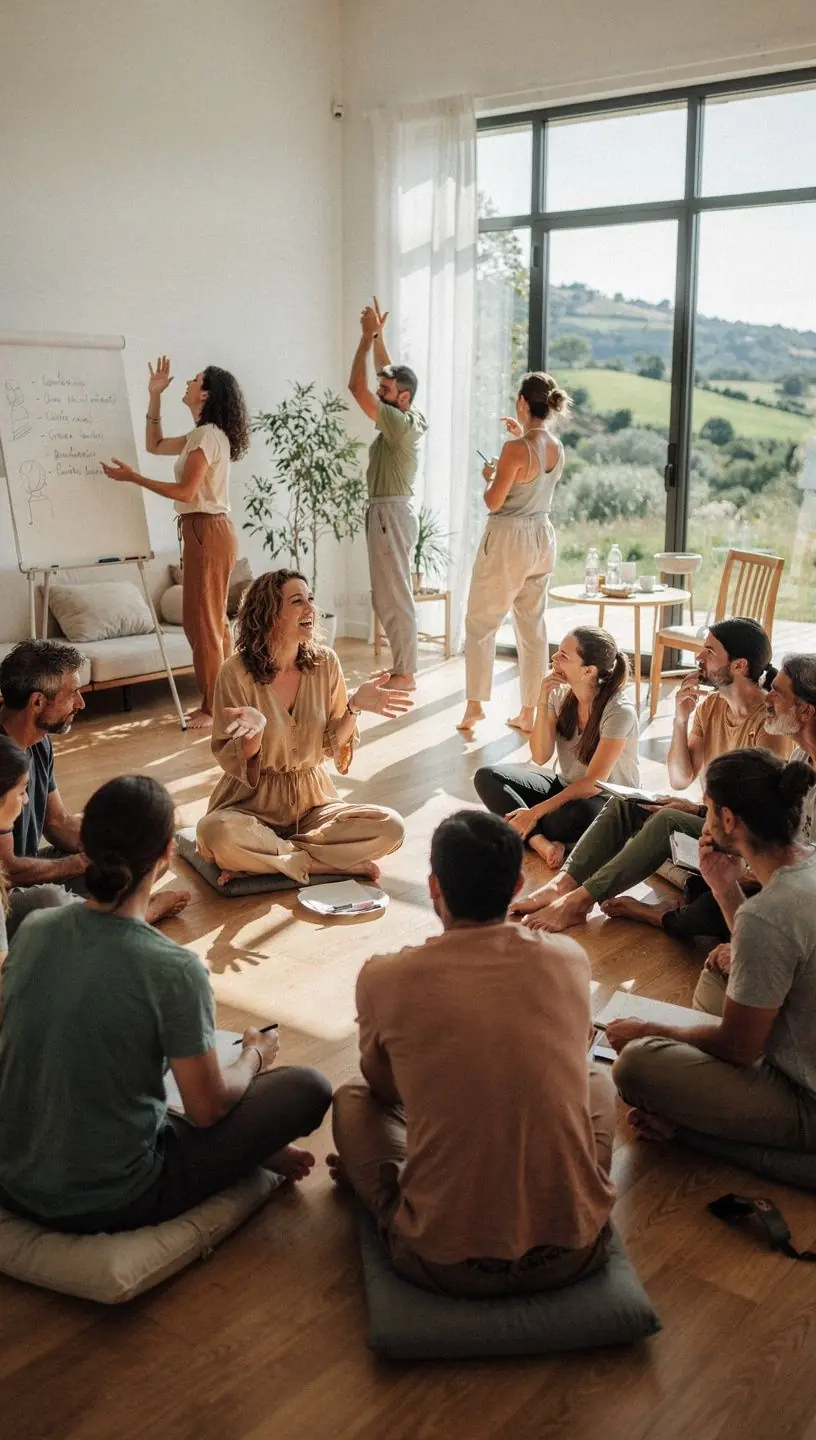
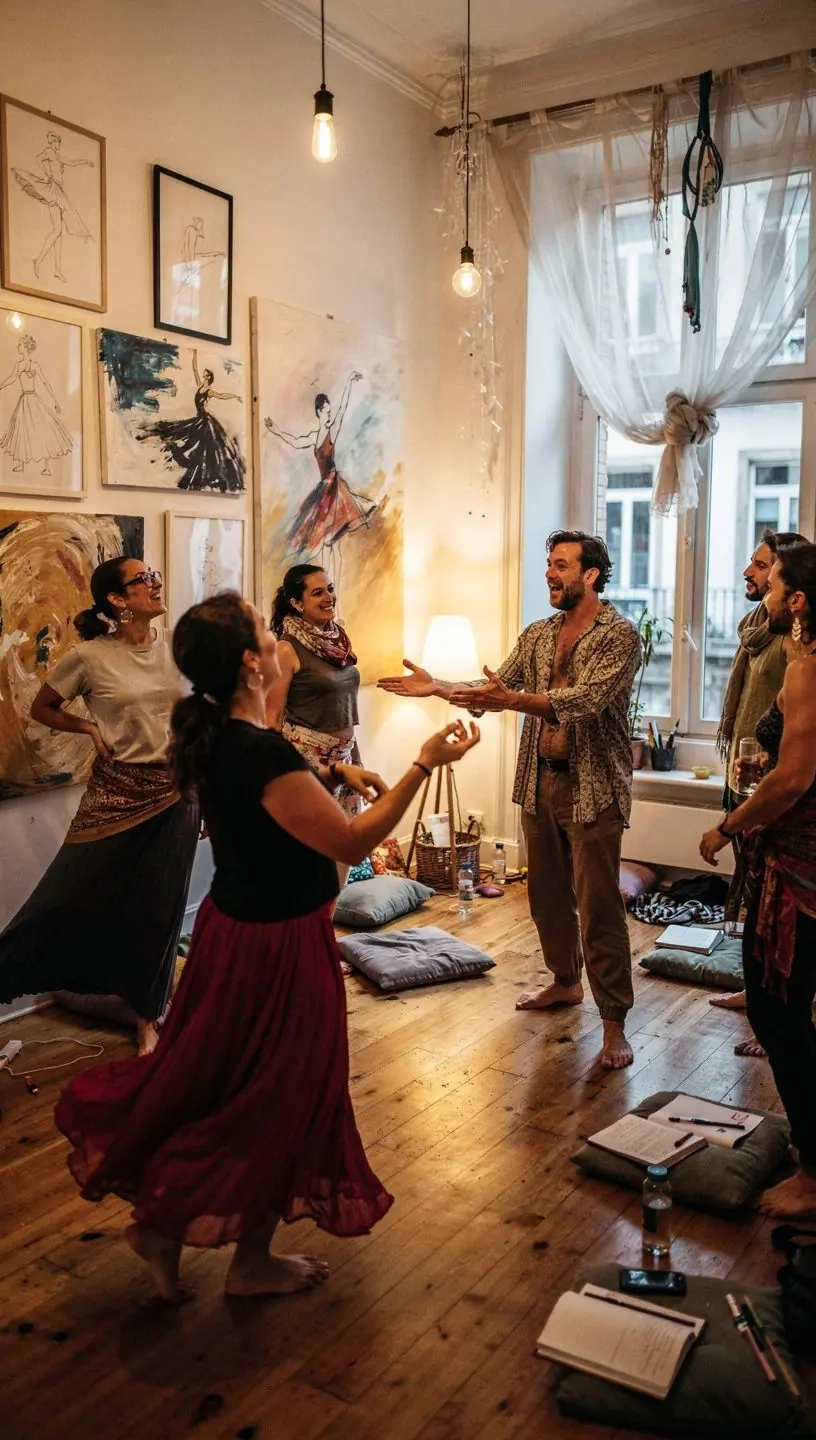
Finding the right balance between coaching and dance in workshops can be challenging but rewarding. This article explores effective strategies to integrate these two elements seamlessly, enhancing the experience for participants.
Understanding the Basics
Combining coaching with dance, particularly in styles like bachata and salsa, requires a clear understanding of both disciplines. According to industry experts, effective workshops often integrate feedback and practice, allowing participants to refine their skills while enjoying the social aspects of dance. The principle behind this approach is rooted in the experiential learning theory, which emphasizes learning through experience and reflection.
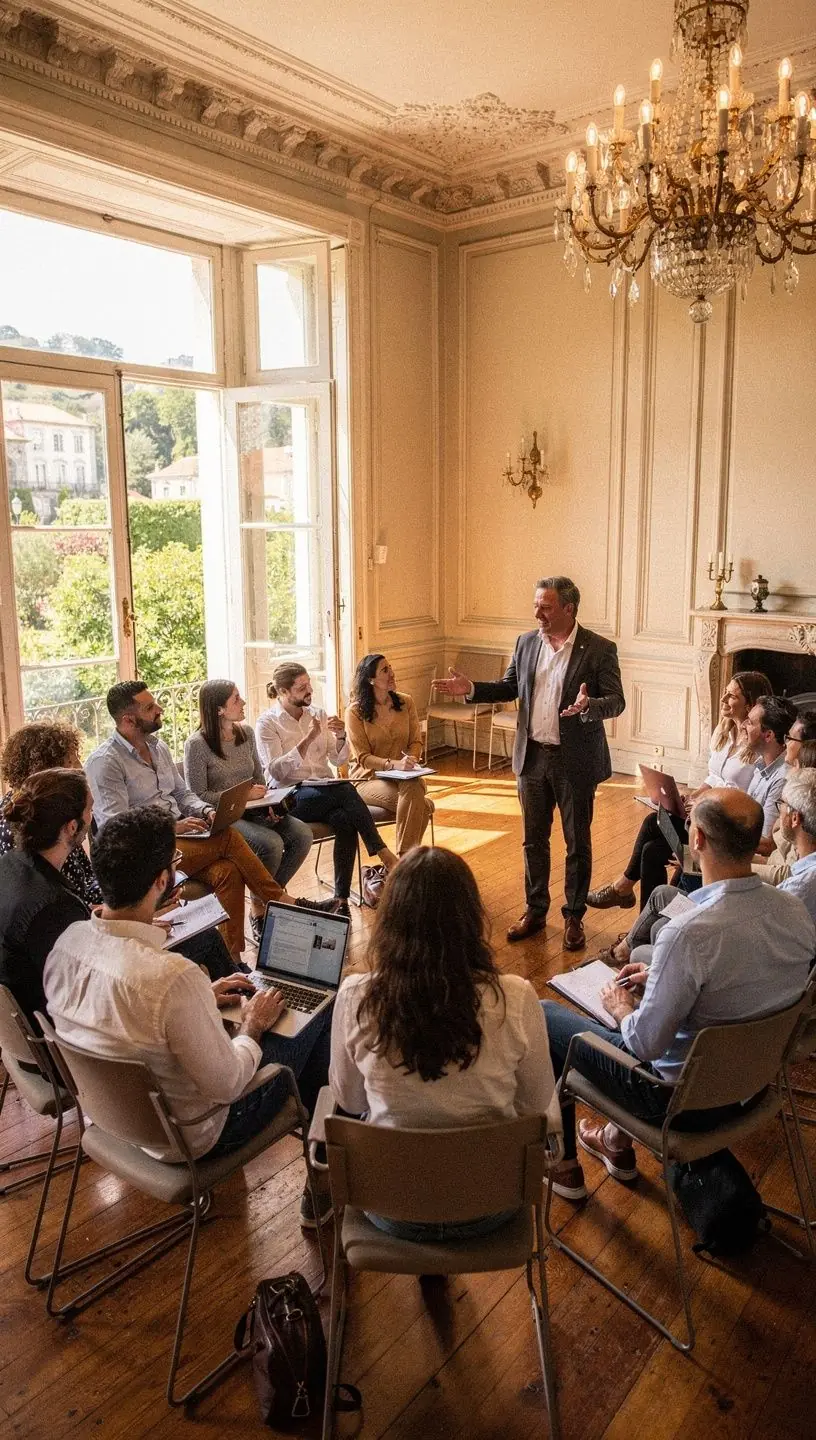
"Incorporating coaching into dance workshops can significantly enhance participants' understanding and enjoyment of both disciplines."
Practical Application
- Set Clear Objectives: Before starting a workshop, define what you want participants to achieve. Research indicates that clear goals can lead to a more focused and effective learning environment.
- Incorporate Feedback Loops: Design the workshop to include regular intervals for feedback. Studies show that embedding feedback within practice can improve skill acquisition by 20-30%.
- Encourage Social Interaction: Facilitate opportunities for participants to connect with each other through dance. This social component can enhance motivation and enjoyment, leading to better retention of the skills being taught.
Challenges and Considerations
While integrating coaching and dance is beneficial, it often comes with challenges. For instance, effective workshops typically take between 2-4 hours, depending on the complexity of the skills being taught. Additionally, participants may need to commit time outside the workshop for practice, as consistent practice is crucial for mastering dance techniques.
Moreover, not all participants may have prior knowledge of dance or coaching principles. Thus, it's essential to tailor your approach based on the group’s skill level. This customized methodology can help address the varying needs of participants, ensuring that everyone benefits from the experience.
Conclusion
Balancing coaching and dance in workshops is an effective way to enhance participants' learning experiences. By setting clear objectives, incorporating feedback, and encouraging social interaction, facilitators can create a dynamic environment that fosters both skill development and enjoyment. While the process requires dedicated effort and time, the positive outcomes often lead to improved skills and greater satisfaction among participants.
Continue Reading