
Understanding the Basics of Dance Coaching Techniques
Dance coaching is a vital component in helping individuals improve their skills, whether they aim to master bachata or salsa. In this article, we will explore the fundamentals of dance coaching techniques, the methodologies behind them, and how these approaches can help you elevate your dancing experience.
Understanding the Basics
According to industry experts, effective dance coaching techniques are generally built on a foundation of clear communication, structured practice, and personalized feedback. These elements work together to foster skill development. Understanding how these techniques function is crucial for both coaches and dancers alike.
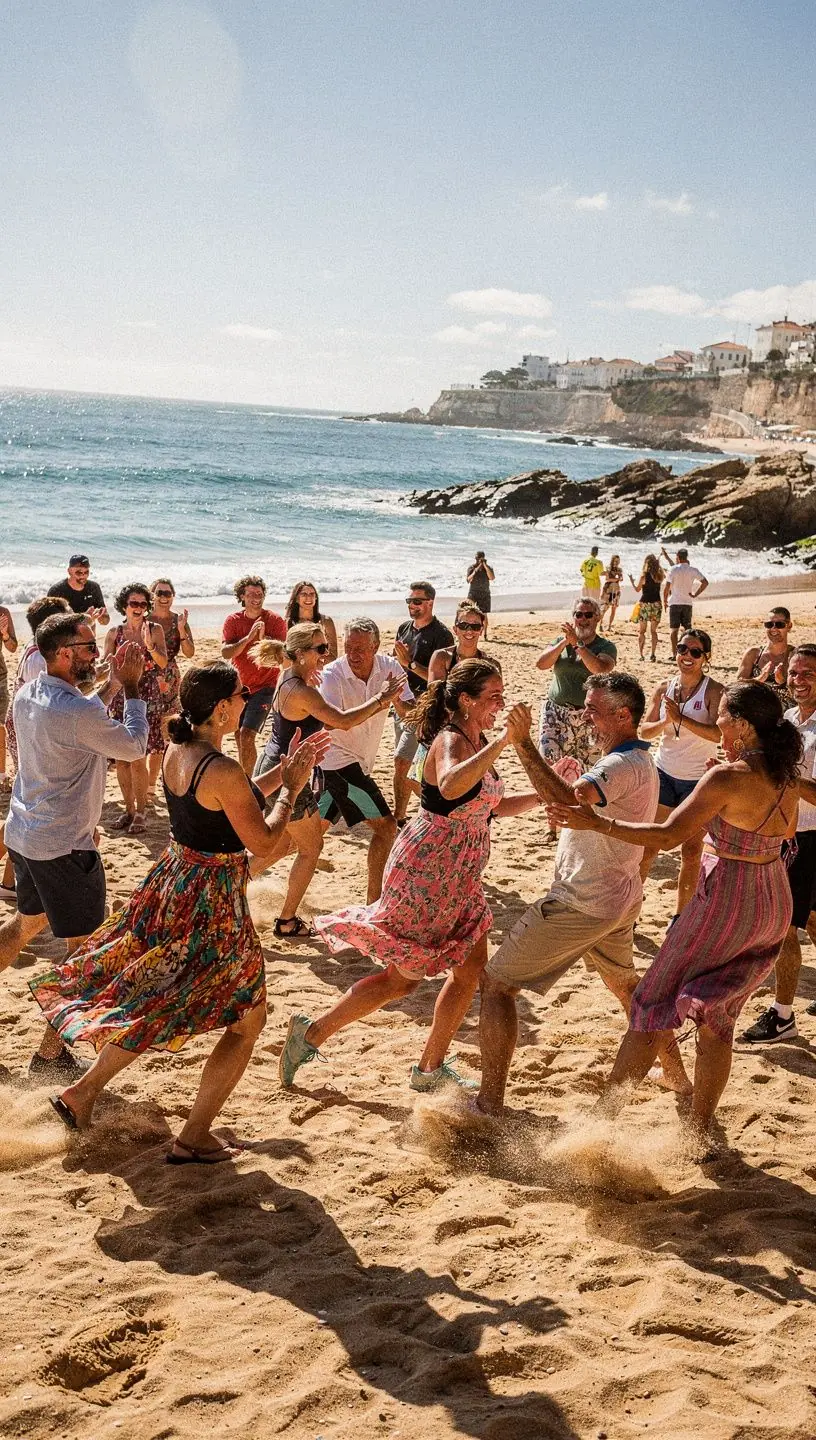
"Effective coaching involves not just teaching steps but also instilling confidence in dancers through tailored feedback and practice." – Dance Coaching Institute
Key Coaching Techniques
- Structured Practice Sessions: Many experts recommend dividing practice into focused segments. This strategy typically involves a warm-up, skills training, and cooling down, aiding in skill retention and physical endurance.
- Personalized Feedback: Effective coaching often includes providing individualized feedback. Research indicates that dancers who receive tailored advice can improve faster than those who rely on generic instructions.
- Goal Setting: Establishing clear, achievable goals can guide dancers through their learning process. Setting milestones keeps motivation high, especially during challenging phases of practice.
How and Why These Techniques Work
The effectiveness of these coaching techniques lies in their structured approach. For instance, structured practice sessions allow dancers to focus on specific skills, making their practice time more impactful. Additionally, personalized feedback helps identify areas of improvement, which can lead to quicker mastery of complex movements.
Experts suggest that goal setting is particularly crucial because it provides a roadmap for progress. This clarity not only motivates dancers but also allows them to assess their development over time.
Acknowledging Limitations
While these coaching techniques can be effective, they are not without their challenges. For optimal results, dancers typically need to commit to regular practice, which may take at least 2-4 weeks to see significant improvements. Moreover, different dancers will respond uniquely to various coaching methods, so flexibility in coaching approaches may be necessary.
Additionally, beginners may find certain techniques more challenging than others, especially if they lack prior experience in dance. Thus, patience and persistence are essential.
Conclusion
In summary, understanding the basics of dance coaching techniques is crucial for anyone looking to enhance their skills in salsa or bachata. By focusing on structured practice sessions, personalized feedback, and goal setting, dancers can steadily improve their abilities. Remember that effective learning typically requires dedication and time, but with the right approach, you can look forward to a rewarding dance journey.
Continue Reading