
How to Use Music in Coaching and Dance Sessions
Integrating music into coaching and dance sessions can enhance the overall experience and effectiveness. This article explores the benefits and techniques of using music in these contexts, providing practical insights for coaches and dancers alike.
Understanding the Role of Music
According to research, music can significantly influence emotions, motivation, and performance levels in various activities. In the context of coaching and dance, utilizing music effectively can create a conducive environment for learning and interaction.
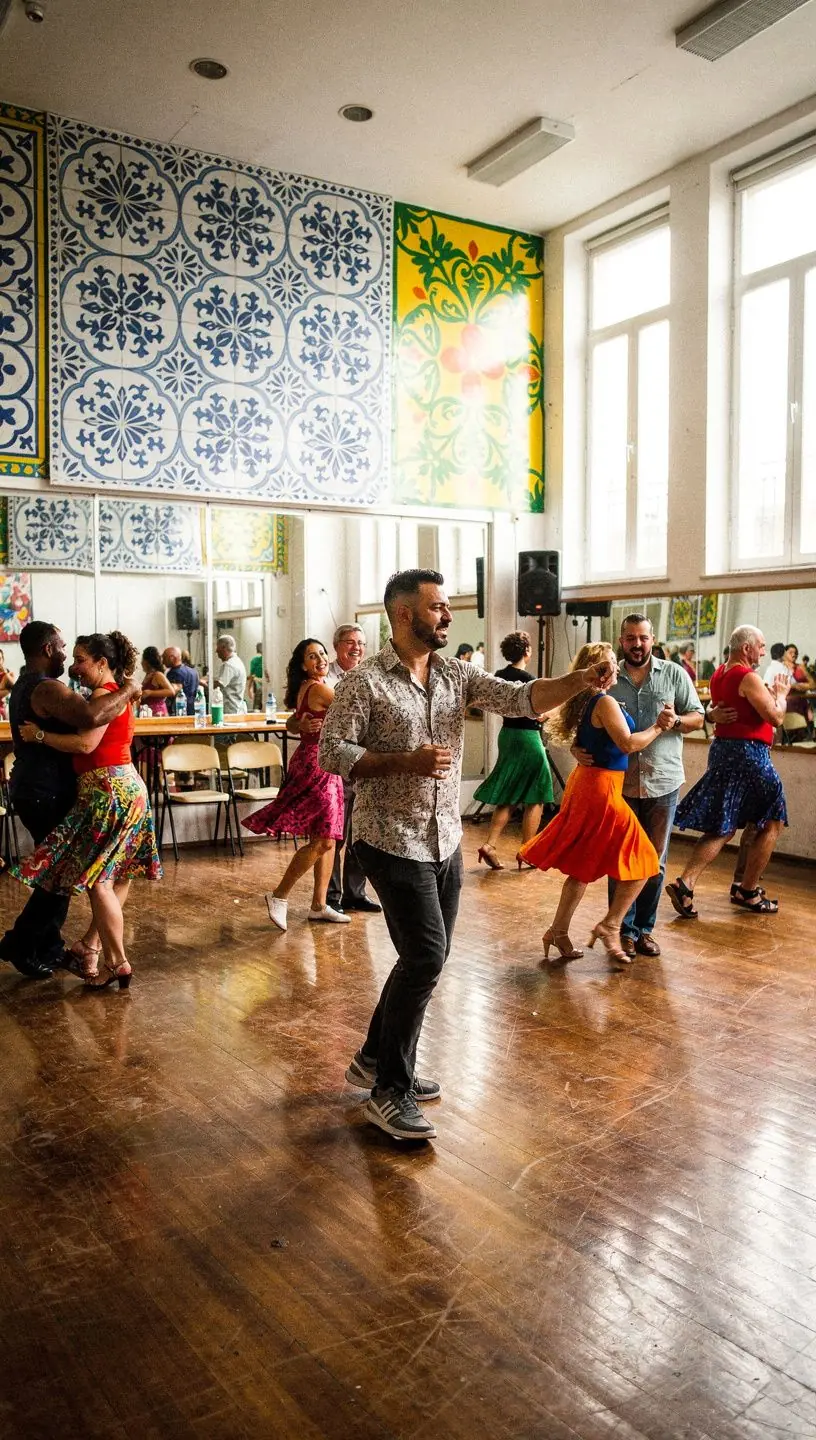
"Music has the power to evoke emotions and enhance cognitive functions, making it a valuable tool in coaching and dance." - Music Therapy Association
Benefits of Using Music in Coaching
Experts suggest several ways that music can enhance coaching sessions:
- Improved Engagement: Music can make sessions more engaging. Studies show that participants often report higher levels of enjoyment and participation when music is incorporated.
- Enhanced Learning: Background music can aid memory retention. Research indicates that specific types of music can help learners absorb information more effectively.
- Motivation Boost: Upbeat music can increase motivation. Many users report feeling more energized and focused during sessions that include lively tunes.
Incorporating Music into Dance Sessions
In dance, music is inherently intertwined with the activity. Here are ways to leverage music effectively:
- Choose the Right Genre: Different styles of dance resonate with various music genres. For bachata and salsa, selecting authentic tracks can enrich the experience and authenticity of the dance.
- Use Music for Timing: Dancers often benefit from practicing with music that has a clear rhythm. This can help in timing movements correctly and developing muscle memory.
- Create Playlists: Curating playlists tailored for specific moods or tempos can facilitate different aspects of learning. For example, slower tracks might be ideal for beginners to focus on fundamental steps.
Challenges to Consider
While using music can be beneficial, there are some limitations to keep in mind:
- Music choice can be subjective; not all participants may enjoy the selections made.
- Background music might be distracting for some individuals, especially when learning complex movements.
- Incorporating music typically requires extra planning and curation time, which coaches should account for.
Conclusion
In summary, music can be a powerful ally in coaching and dance sessions. By understanding its effects and applying it thoughtfully, coaches can create a more enjoyable and effective environment. As with any technique, careful consideration of individual preferences and learning styles is essential for maximizing the benefits of music.
Continue Reading