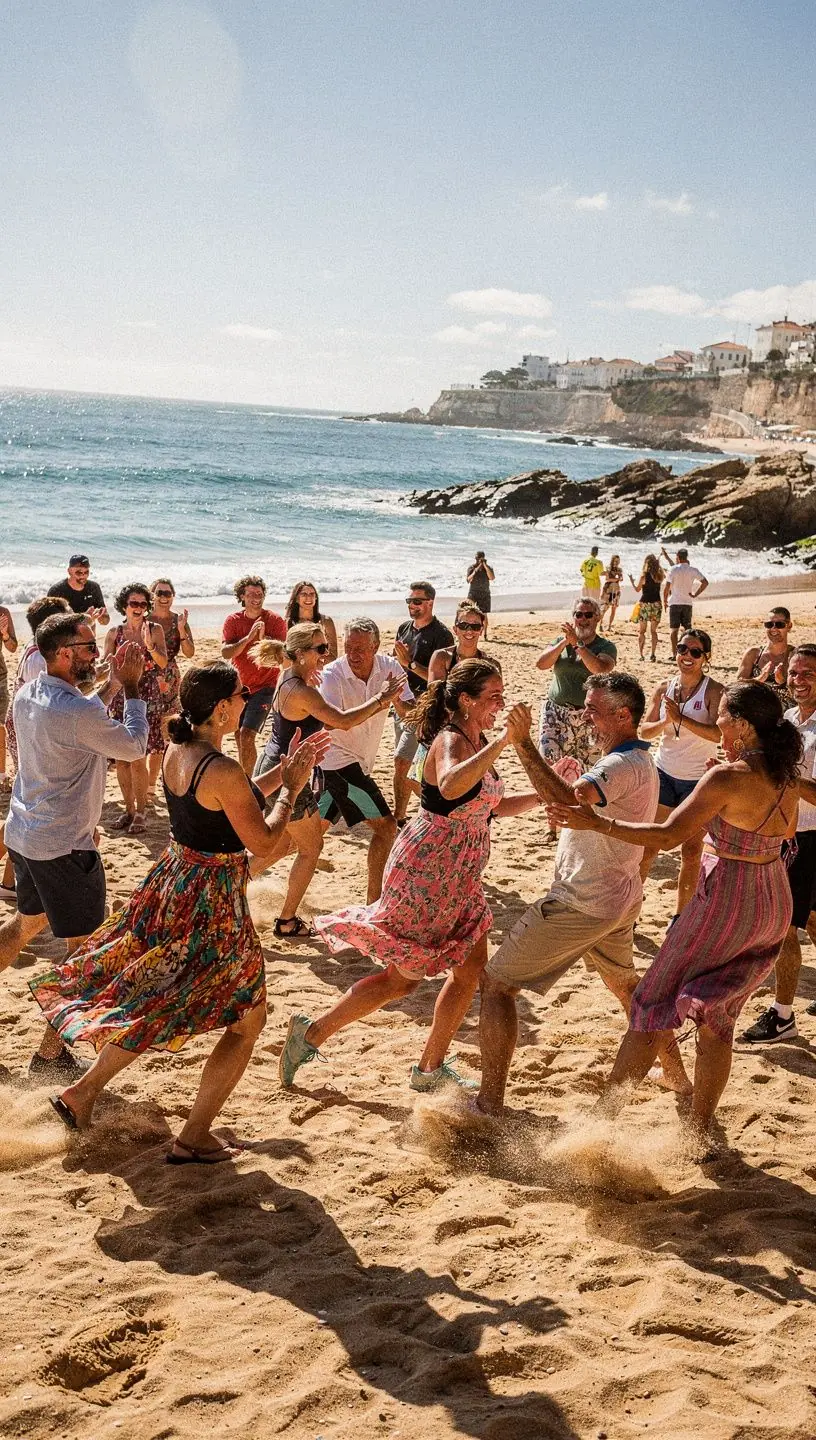
Exploring the Cultural Roots of Salsa and Bachata
Salsa and bachata, two vibrant dance styles originating from the Caribbean, not only ignite passion on the dance floor but also offer a rich cultural heritage. Understanding their historical context can greatly enhance your appreciation and practice of these dances. This article explores the roots of salsa and bachata, examining their development, cultural significance, and how engaging with this heritage can enhance your dance experience.
Understanding the Origins of Salsa
The term "salsa" refers to a combination of various musical and dance influences, primarily from Cuban son, jazz, and Puerto Rican rhythms. According to music historians, salsa emerged in the 1960s in New York City, where Cuban immigrants blended their musical traditions with those of other Latin American cultures. This fusion created a lively rhythm that quickly spread across the globe, becoming a symbol of Latin identity.

"Salsa is not just a dance; it is a cultural expression that reflects the complexity of Latin American history." – Cultural Anthropologist
Bachata: A Dance of Heart and Soul
Bachata originated in the Dominican Republic in the early 20th century, initially reflecting the struggles and romantic experiences of the lower classes. It was often associated with social gatherings in rural areas. Research indicates that bachata music combines elements of bolero, son, and merengue, leading to its unique sound that has captivated audiences worldwide.
Traditionally, bachata was performed with guitar melodies and simple rhythms, and it has evolved to include a variety of instruments and influences. Many users report a deeper emotional connection to bachata due to its themes of love and loss, making it a powerful vehicle for personal expression.
The Cultural Significance of Dance
Both salsa and bachata serve as important cultural artifacts, carrying the stories and struggles of their communities. Engaging with these dance forms allows practitioners to connect with their roots while fostering community bonds. Experts recommend that participating in organized meetups can deepen one’s understanding of these styles and promote cultural exchange. Here are some practical reasons why:
- Community Engagement: Dance meetups provide a platform for social interaction and cultural exchange, enhancing your understanding of salsa and bachata.
- Historical Context: Learning about the history behind these dances can increase appreciation and inspire more meaningful performance.
- Skill Development: Regular practice at meetups often leads to improved technique and confidence, essential for mastering both styles.
Conclusion
Exploring the cultural roots of salsa and bachata not only enriches your dance experience but also connects you with a broader narrative of struggle, resilience, and joy. As you engage with these dance forms, remember that the journey involves commitment and practice; typically, dancers may see noticeable improvements within a few months of consistent effort. By participating in community events and social gatherings, you can not only refine your skills but also celebrate the vibrant cultural heritage these dances represent.
Continue Reading