Practical Tips for Effective Dance Instruction
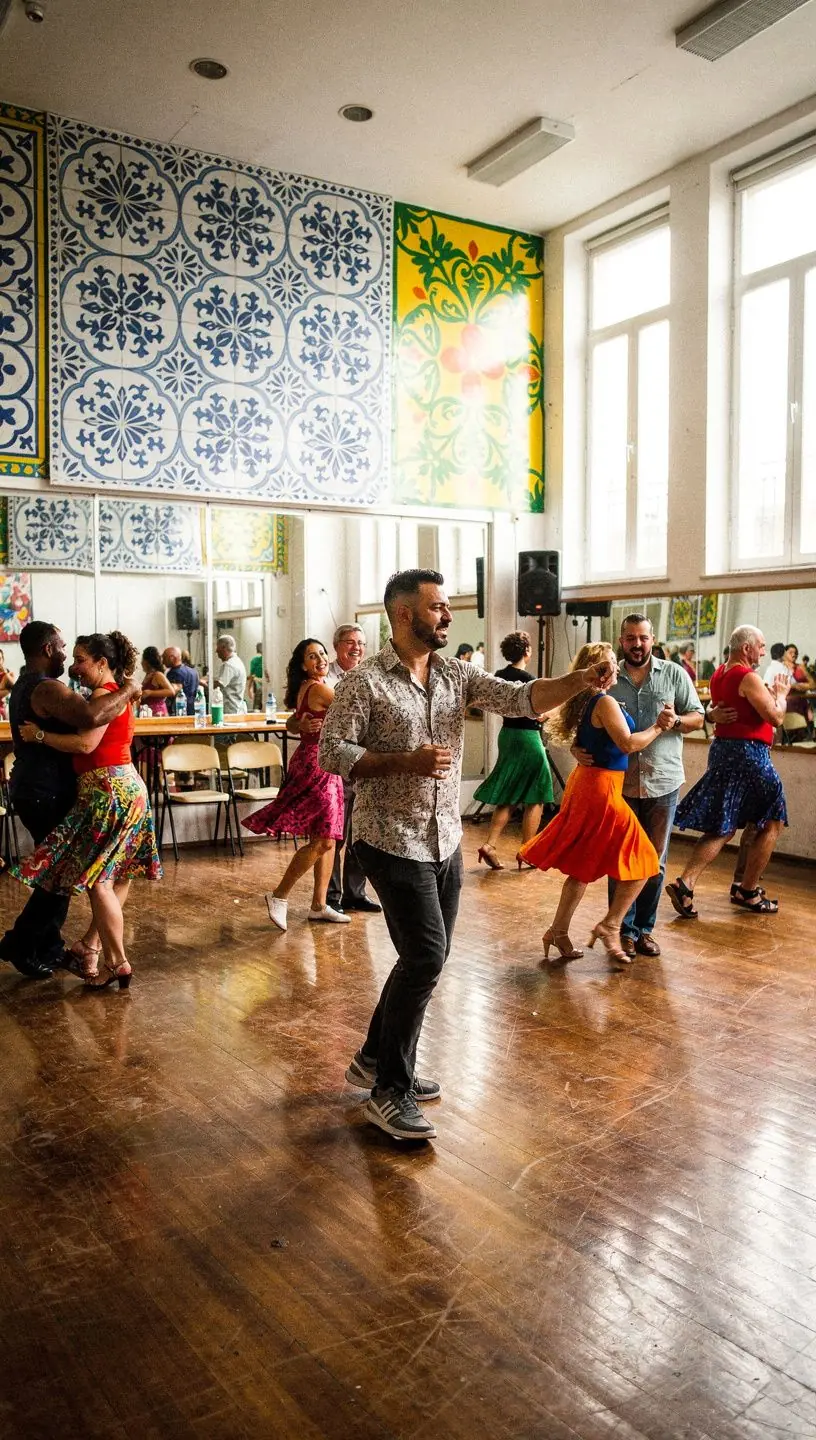
Dance instruction can be a rewarding experience for both the teacher and the student. However, effective instruction requires a thoughtful approach that balances foundational techniques with engaging methods. This article provides practical tips designed to enhance your dance teaching skills, particularly in the vibrant styles of bachata and salsa.
Understanding the Fundamentals of Dance Instruction
Effective dance instruction often hinges on a solid understanding of the fundamental principles of dance pedagogy. According to experts in the field, a successful dance instructor must not only be proficient in dance but also be knowledgeable about how to communicate that expertise to students. Research indicates that instructors who integrate theoretical knowledge with practical application achieve better student outcomes.
"The key to successful dance instruction lies in the instructor's ability to break down complex movements into manageable segments for students." — Dance Education Journal
Practical Tips for Dance Instructors
- Start with Clear Objectives: Establish what you want your students to achieve in each session. This could be mastering a specific step, improving timing, or enhancing musicality. Experts recommend stating these objectives at the beginning of each class to align student focus.
- Encourage Regular Practice: Learning dance typically involves a steep learning curve. Students may need to dedicate time outside of class to practice effectively. An effective approach may require daily practice for at least 30 minutes, especially for beginners.
- Utilize Feedback: Constructive feedback is crucial for student improvement. Research shows that timely, specific feedback can significantly enhance learning. Consider using video recordings during classes, allowing students to see their progress and understand areas needing improvement.
Engagement Strategies
In addition to technical skills, keeping students engaged is equally important. Many instructors find success through a variety of teaching methods. Here are a few strategies:
- Integrate Music: Music plays a critical role in bachata and salsa. Selecting high-energy tracks can motivate students and make classes more enjoyable. Studies suggest that aligning dance moves with rhythm enhances learning retention.
- Create a Supportive Environment: Foster a community feel within your classes. Research indicates that social support significantly influences learning outcomes. Encourage students to support one another, perhaps through partner work or group activities.
- Incorporate Fun Challenges: Add fun challenges or mini-competitions to your classes. These can stimulate learning while instilling a sense of achievement. Consider setting up a friendly dance-off at the end of a workshop to showcase progress.
Acknowledge Limitations
While these methods can enhance dance instruction, it’s important to set realistic expectations. Mastery of dance typically requires consistent practice over time—often several months. In most cases, students may achieve noticeable improvement within 3-6 months, depending on their dedication and previous experience.
Conclusion
Effective dance instruction is a complex process that combines technical skill with effective teaching strategies. By implementing clear objectives, encouraging regular practice, and engaging students in a supportive environment, instructors can significantly enhance the learning experience. Remember, patience and consistent feedback are key elements in helping students flourish in their dance journey. Dance instruction is a shared experience, and when approached with dedication and creativity, it can lead to remarkable growth both for teachers and students alike.
Continue Reading