Understanding the History of Salsa and Bachata
Salsa and Bachata are more than just dance styles; they are vibrant expressions of cultural heritage that have evolved over decades. Understanding their history can enrich your appreciation of these dances and enhance your enjoyment during meetups and coaching sessions.
Origins and Evolution
The roots of Salsa can be traced back to the Cuban son music, which emerged in the early 20th century. This genre blended African rhythms with Spanish melodies, creating a rich audio landscape that influenced dance forms. According to musicologists, Salsa as we know it today achieved prominence in the 1960s and 1970s, particularly in New York City, where immigrants from Latin America fused various music styles.

On the other hand, Bachata originated in the Dominican Republic in the early 20th century. Initially viewed as a lower-class dance, it was often associated with themes of love and heartbreak. Over time, it gained popularity worldwide. Research indicates that Bachata's rise to fame can be attributed to its catchy melodies and relatable lyrics, which resonated with many dancers.
Cultural Significance
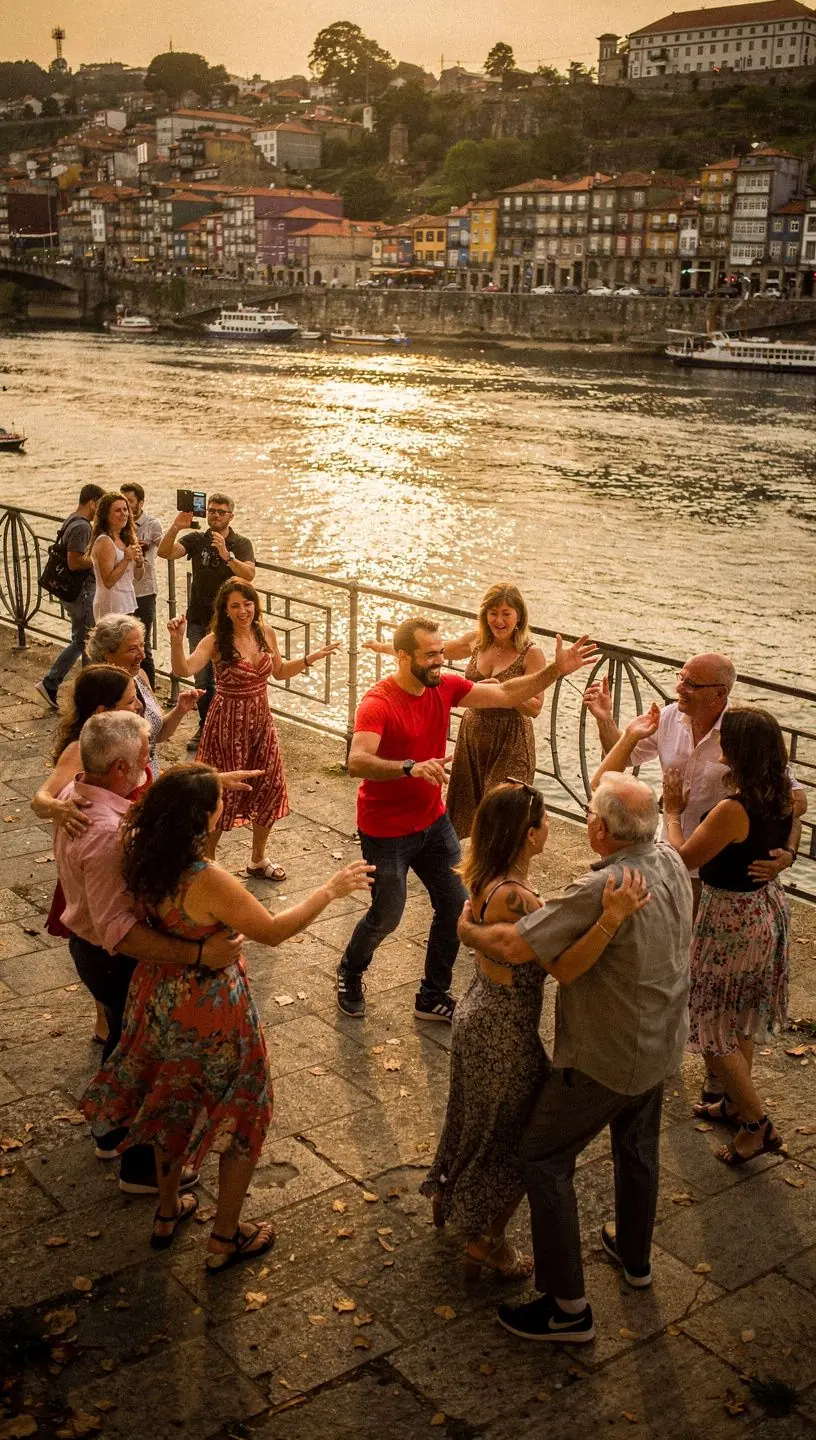
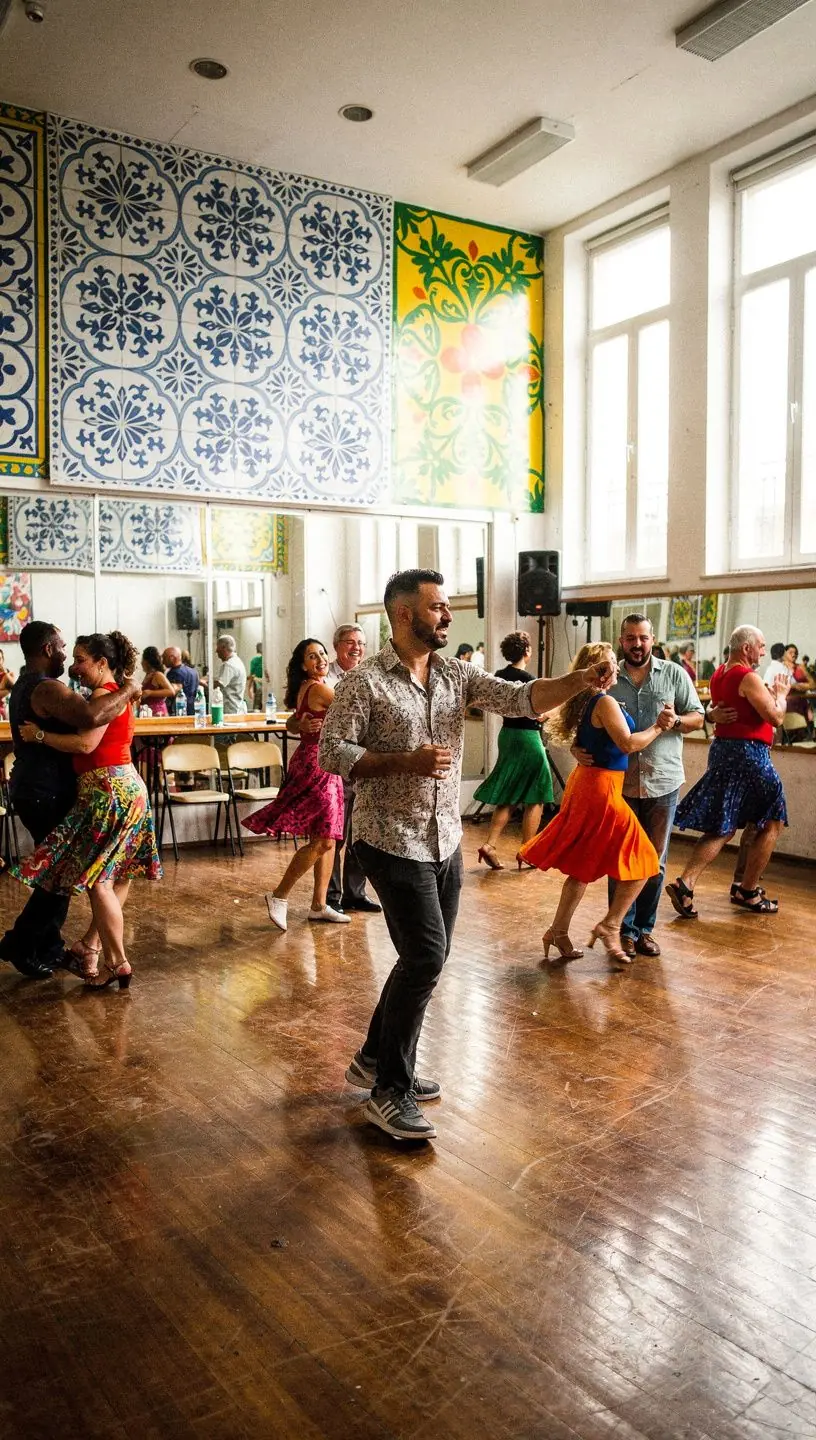
The cultural significance of Salsa and Bachata extends beyond mere entertainment. Experts suggest that these dance forms are powerful tools for community building, with organized meetups fostering social connections. In many cases, people report that engaging in these dances helps improve their social skills and emotional well-being.
"Salsa and Bachata are not just dances; they are a means of expression that brings people together across cultural barriers."
Technical Aspects and Styles
Both Salsa and Bachata feature a variety of styles that cater to different tastes. Salsa typically includes styles such as LA, NY, and Cuban salsa, each with unique footwork and rhythm patterns. In contrast, Bachata offers styles like traditional and modern Bachata, characterized by their distinct movement and musicality.
Mastering these styles involves dedication and regular practice. Many instructors recommend a commitment of at least three months to develop a solid foundation in these dance forms.
Practical Tips for Learning Salsa and Bachata
- Take lessons: Consider enrolling in a local class or workshop to learn proper techniques and styles.
- Practice regularly: Many users report that consistent practice (at least 1-2 times a week) greatly enhances their skills.
- Engage in social dancing: Joining meetups or dance events can provide valuable experience and help you internalize rhythms and movements.
Conclusion
Understanding the history of Salsa and Bachata enhances not only your dancing experience but also your connection to these rich cultural traditions. As you immerse yourself in these dances, remember that they are part of a living history that continues to evolve. Whether you're participating in coaching or meetups, the journey of learning Salsa and Bachata can be both fulfilling and enjoyable.