How to Foster Inclusivity in Dance Events
Creating an inclusive atmosphere at dance events is essential for fostering community and encouraging participation. This article explores effective strategies to ensure every participant feels welcomed and valued.
Understanding the Importance of Inclusivity
According to research from the National Dance Education Organization, inclusive dance events can not only enhance participation but also significantly improve the overall experience for attendees. Many users report feeling more comfortable and engaged in environments that prioritize inclusivity.
"Inclusivity cultivates creativity and encourages diverse perspectives, enriching the dance community as a whole." - Dance Educator Association
Strategies for Creating Inclusive Dance Events
Implementing effective strategies to foster inclusivity requires thoughtful planning and commitment. Here are some practical approaches:
- Provide Clear Communication: Ensure all event information is accessible and clearly conveys the event's welcoming nature. Use language that is inclusive and inviting.
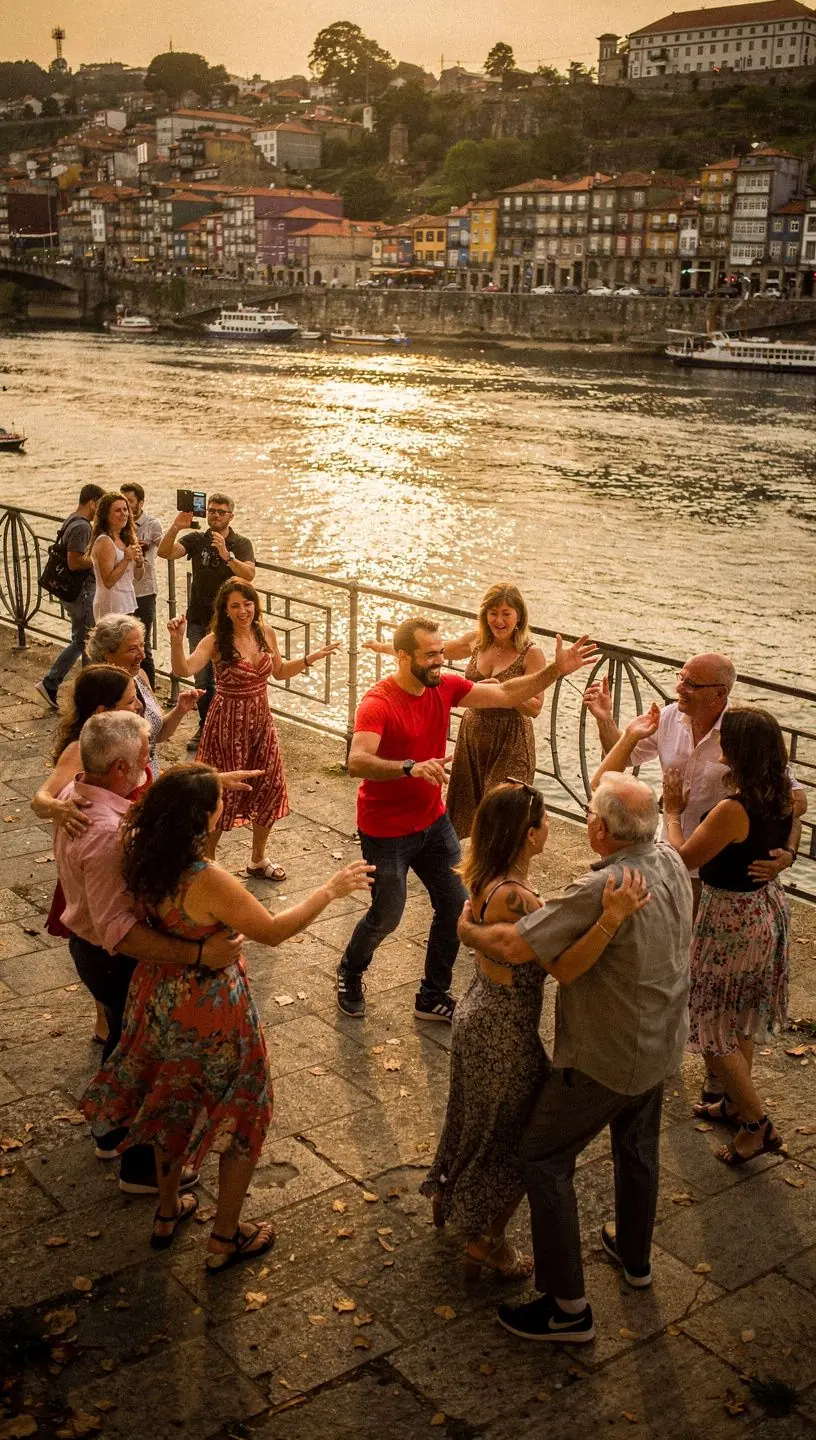
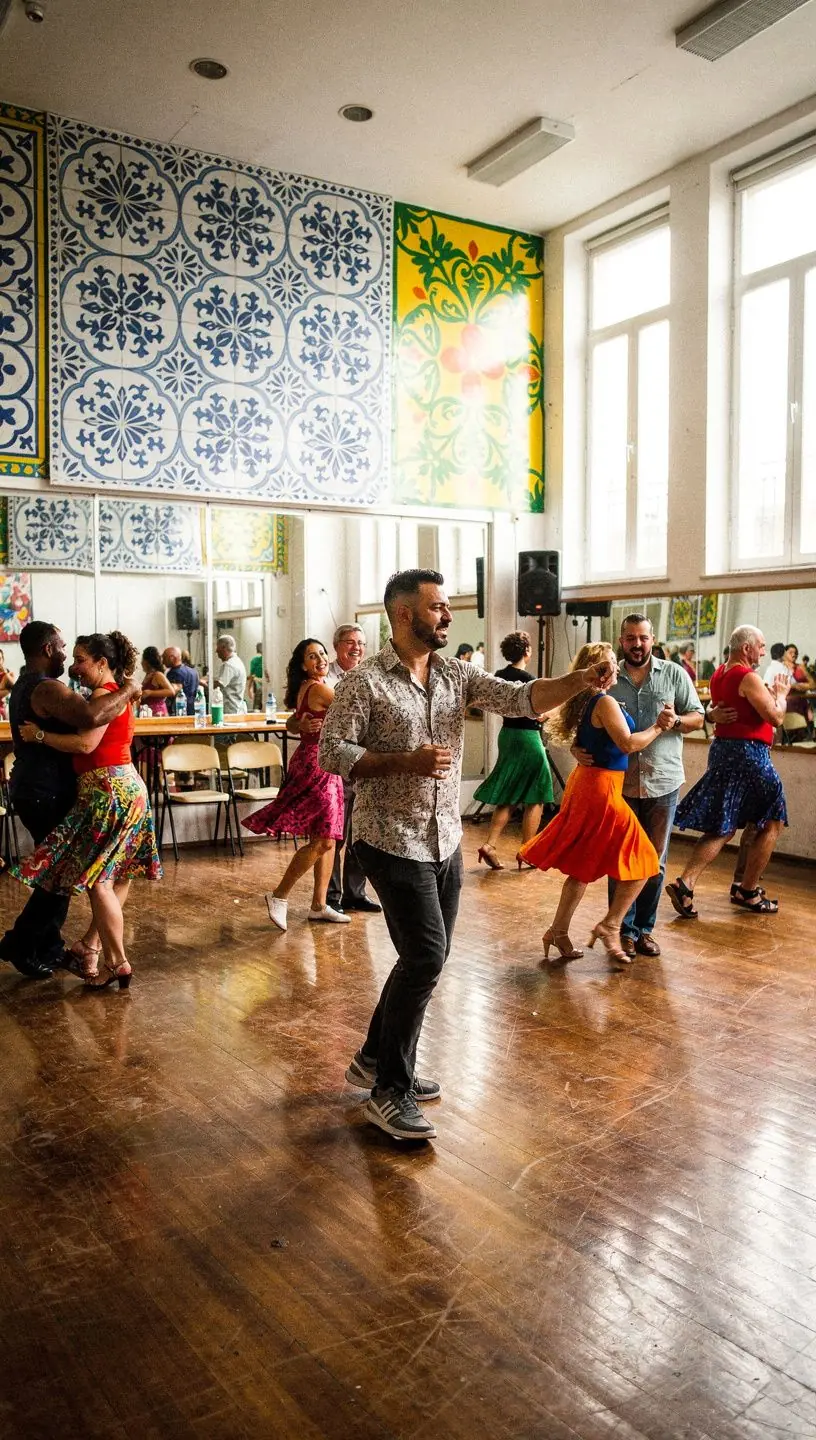
- Offer Diverse Dance Styles: Incorporate various styles of dance, such as bachata and salsa, to cater to different preferences and backgrounds. This approach can help attract a wider audience.
- Encourage Participation: Develop programs or workshops that target different skill levels, allowing newcomers to learn alongside experienced dancers. Experts recommend creating mentorship opportunities to enhance learning.
Implementing Accessibility Features
Ensuring that dance events are physically accessible is crucial. This may involve:
- Choosing venues that accommodate individuals with disabilities, including wheelchair access and designated seating.
- Offering sensory-friendly options, such as reduced lighting and sound, which can help those with sensory sensitivities feel more comfortable.
- Providing materials in multiple formats, such as large print or braille, to cater to diverse needs.
Creating a Welcoming Atmosphere
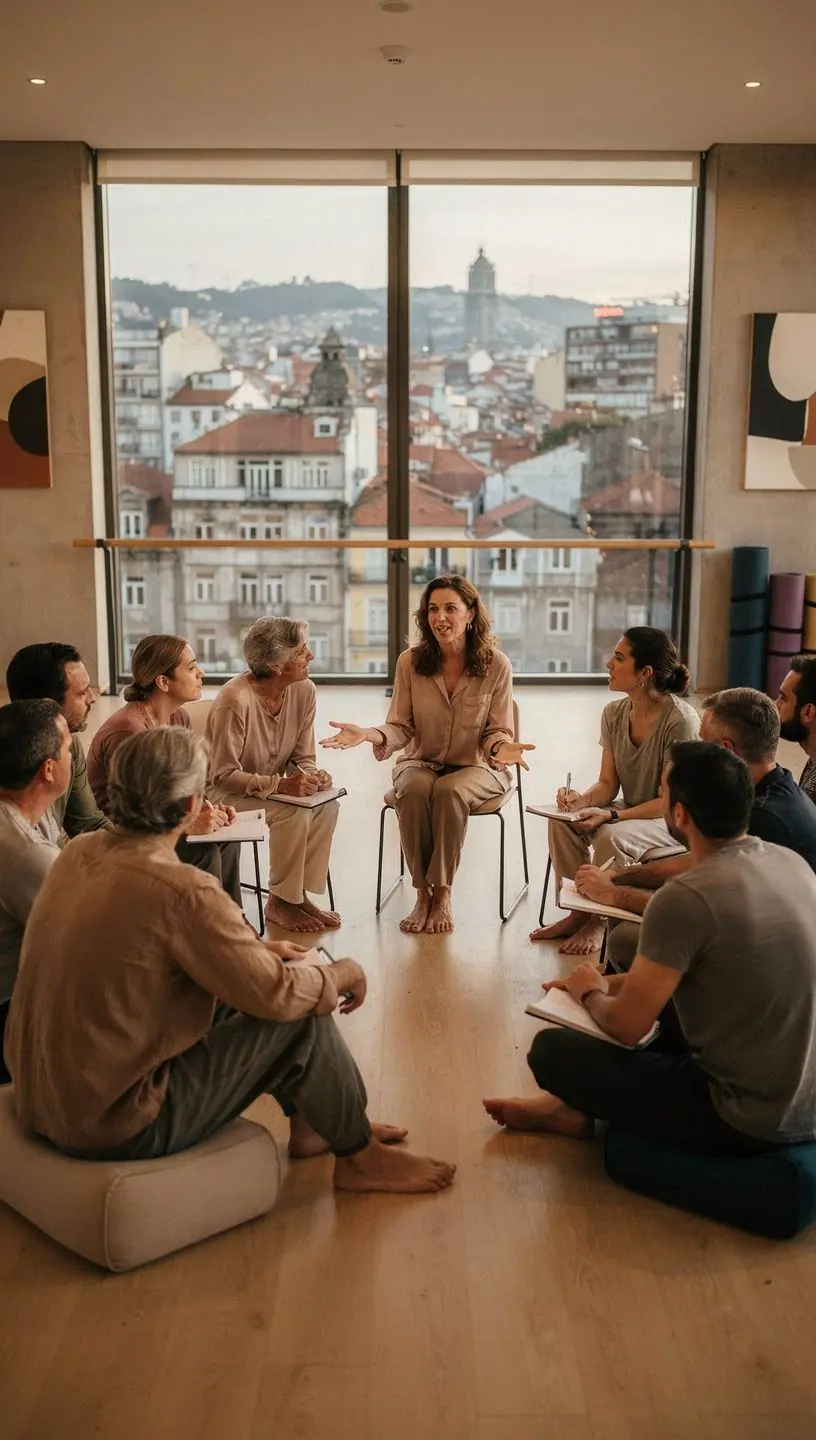
Fostering a sense of belonging goes beyond logistics. Here are ways to create an inviting environment:
- Train Staff and Volunteers: Staff should understand the importance of inclusivity and be trained on how to engage respectfully with all participants. This typically involves workshops and role-playing scenarios.
- Encourage Feedback: Solicit feedback from attendees about their experiences and suggestions for improvement. This can be done through anonymous surveys or open forums.
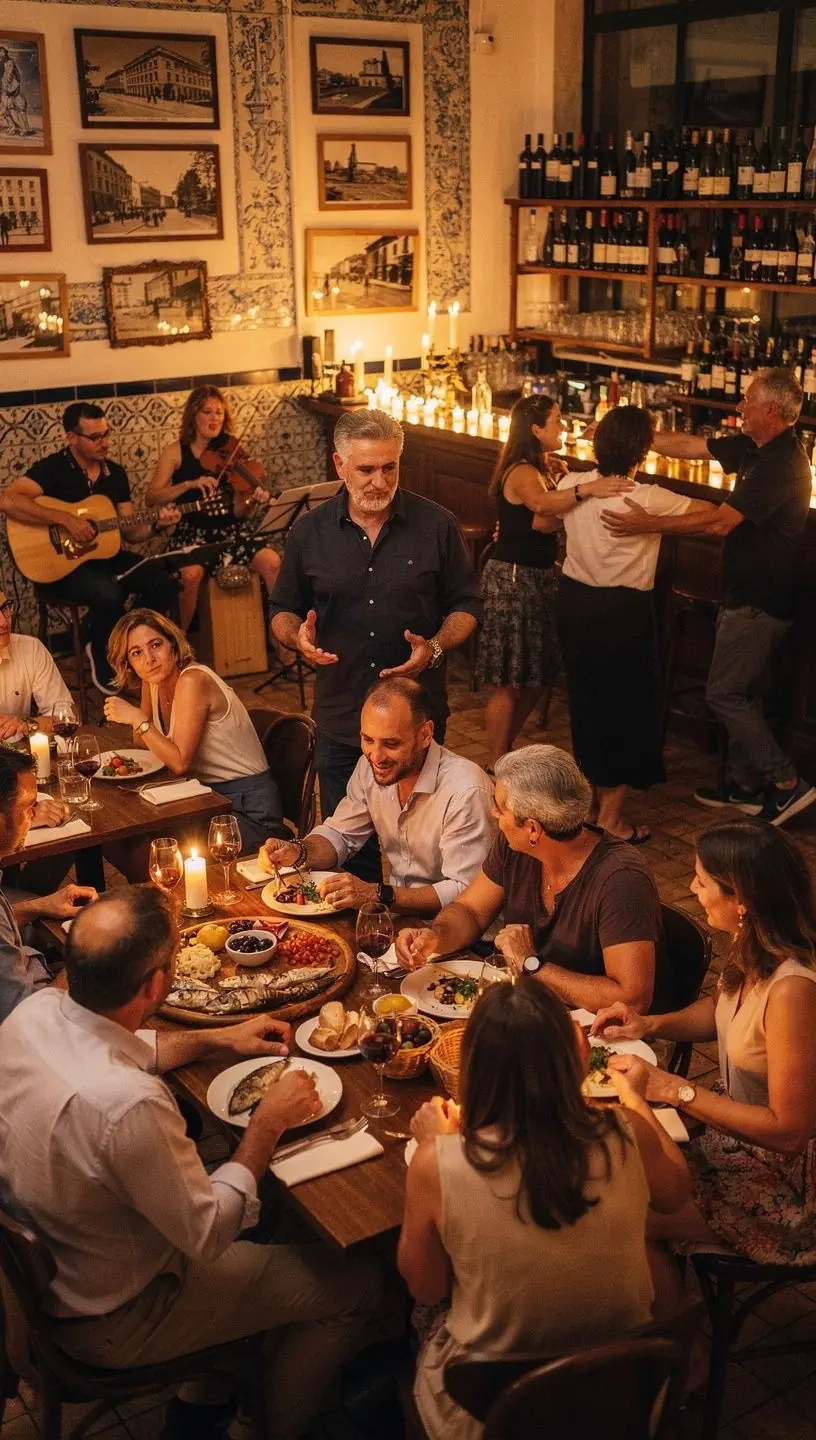
- Celebrate Diversity: Highlight different cultures and communities within your dance events through themed nights or performances. This not only educates participants but also enriches the event experience.
Conclusion
Fostering inclusivity in dance events requires intentional effort and a commitment to creating a welcoming space for all. By implementing these strategies, organizers can enhance the experience for everyone involved and build a strong, diverse dance community. Remember, the journey towards inclusivity is ongoing and requires feedback and adaptation to truly meet the needs of all participants.